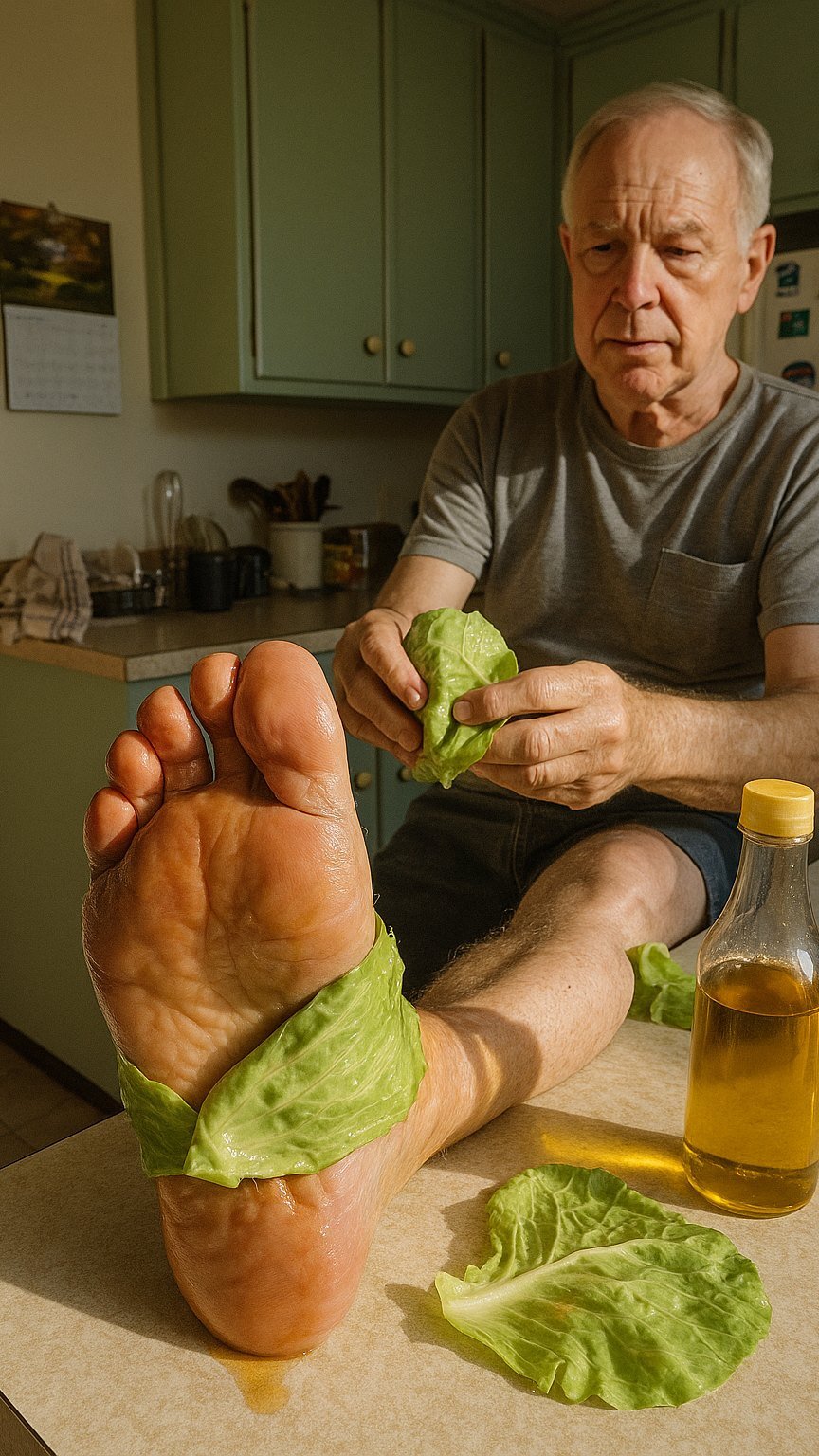
Why Nerve Pain In The Feet Gets Worse When It Turns Cold
You were told it is your circulation. A pain-management doctor of 27 years says that is not it, and explains the natural treatment he now uses on his own feet once the nights start turning.
It Is Not Your Circulation
That is the answer almost everyone gets, and it is the reason for the extra socks, the warm soak and the advice to keep moving.
He does not think it holds. Circulation, he says, would explain cold feet. It does not explain why a cold room sets off a nerve that was quiet an hour earlier, and it does not explain why the second pair of socks stops helping in January.
His explanation starts somewhere else entirely, and it is the reason he says the first cold weeks are when he hears from the most people.
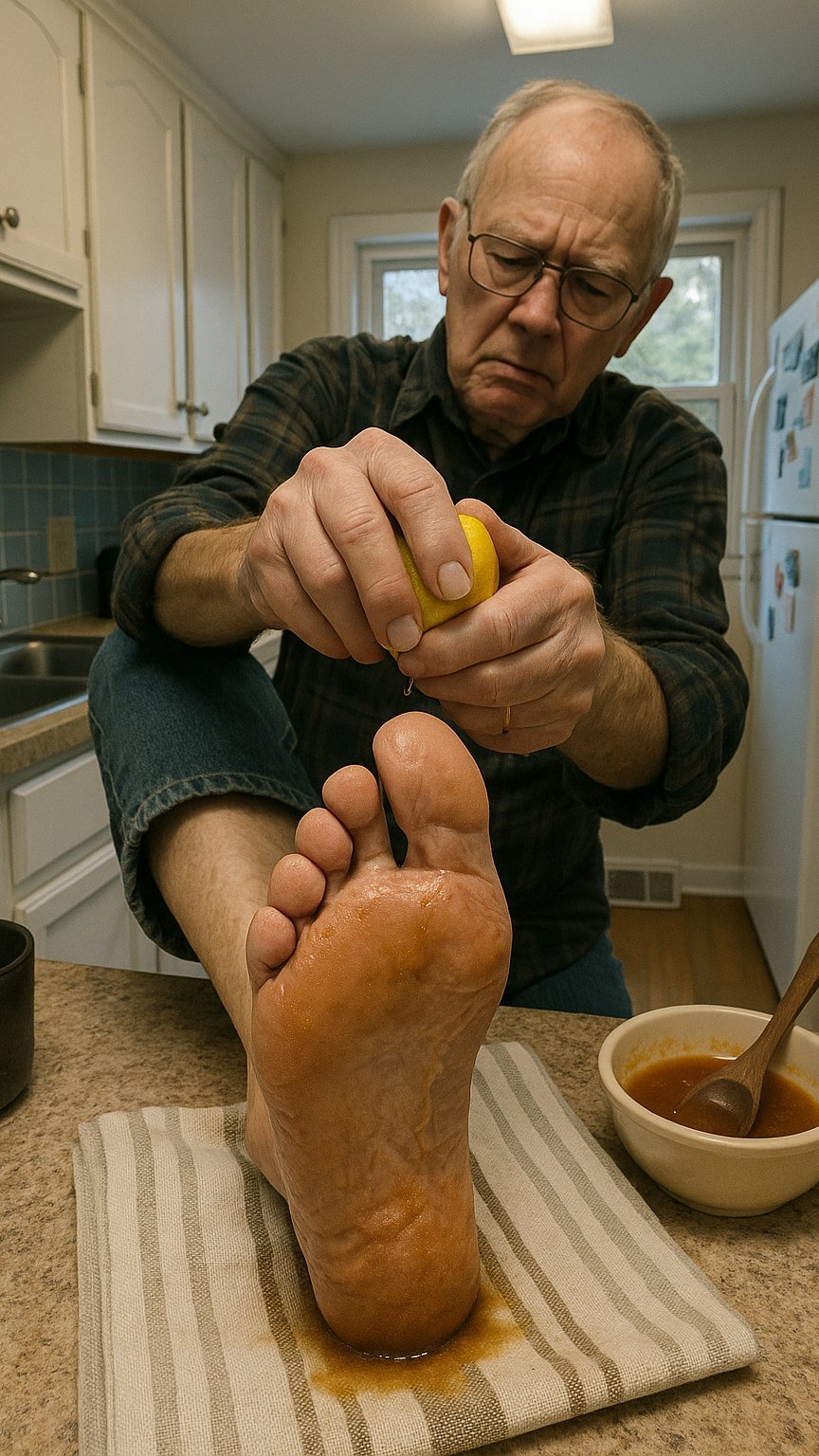
What He Says Is Actually Exposed
In the presentation he describes a corrosive enzyme that collects around the nerve and hardens into a coating. He calls it sticky plaque. In his account it wears through the protective layer and leaves the nerve bare — an electrical wire stripped, in his words — and he shows the published work he is reading it from.
A bare wire and a covered one do not behave the same way in the cold. That is his whole answer for the season, and it is not the one you were given.
Why The Things You Rubbed On It Wore Off
The menthol. The massager. The compression socks somebody bought you. The soak that works right up until you dry your feet.
None of them are frauds, and he says so. They work on skin, and they do it well. If what he describes is sitting underneath the skin, nothing applied on top was built to reach it, and it was always going to wear off on schedule.
A natural remedy for neuropathy in the foot only counts, he argues, if it gets past the coating first.
Three Things In Your Kitchen, And The Order He Uses
He names all three on camera and shows the amounts. He did not invent the combination — he found it in published work, and he says whose.
The ingredients are the easy part. The order, the proportion and the hour of the day are not, and he performs the sequence instead of listing it, because improvising at home is what he blames for most people getting nothing out of it.
He is also firm about the timing of the year: start before the cold settles rather than waiting for spring, because in his account that is when a nerve without its covering is hardest to settle.
What He Refuses To Claim
He makes no claim of a cure, and neither do we. He says it before he shows anything and he repeats it at the end.
He is just as firm about the other half: keep your appointments and keep taking what you were prescribed. Nothing here is a reason to change a medication.
One of the patients he describes had been on the same prescription for seven years. What she reports is smaller and more specific than a cure: that it stopped climbing, and that she started sleeping again. It varies from one person to the next.
Before You Watch It
He says circulation explains a cold foot and not a nerve that fires in a cold room. He gives his own explanation and the work he is reading it from. That part comes early.
A physician who spent 27 years in pain management and is now retired from practice. He gives his background and his reason for leaving at the start. You do not have to wait for it.
No. They are ordinary kitchen items. He names all three on camera and shows the amounts he uses rather than describing them. The amounts are the part people get wrong.
No. He says more than once to keep your appointments and keep taking what you were given. He draws that line before he shows anything.
No, and neither do we. He explains what he uses on his own feet and why, and he is direct that it varies from one person to the next. He repeats it at the end.
He says the opposite, and he gives his reason: in his account a nerve without its covering is hardest to settle once the cold sets in. He is blunt about the timing.
No. There is no form, no email and no charge. It plays when the page opens.